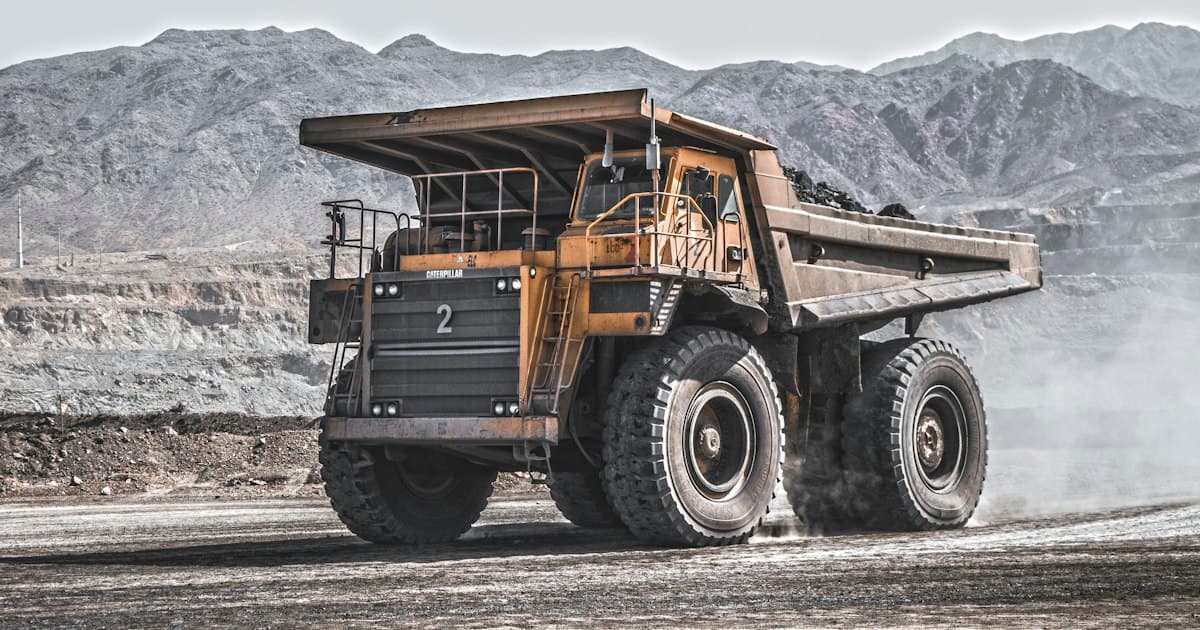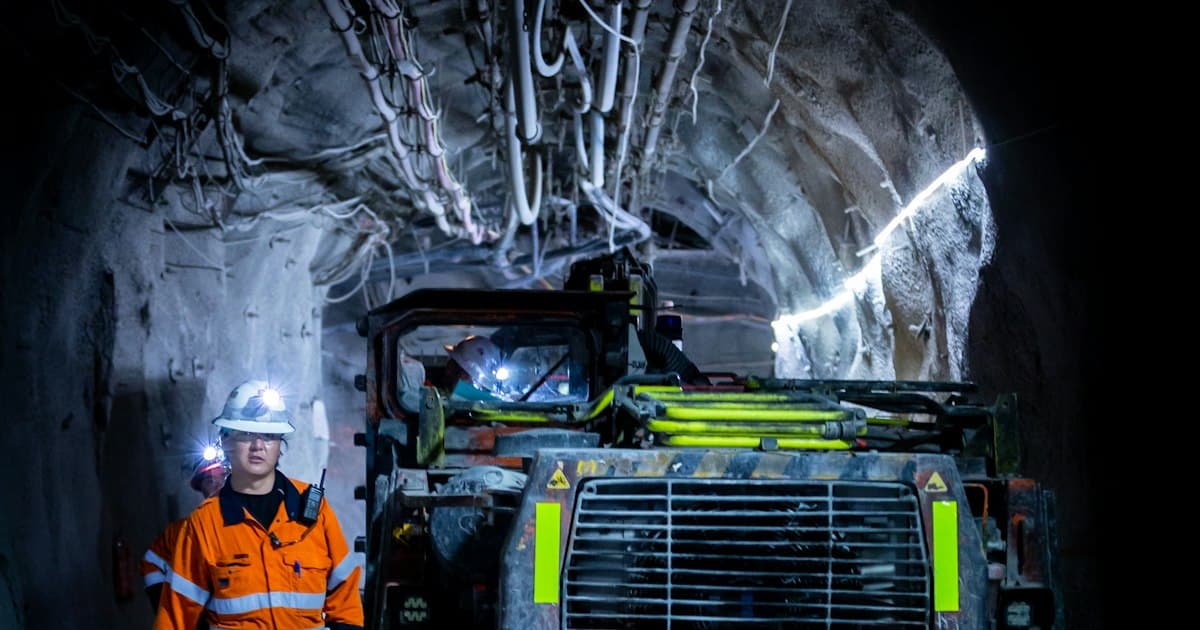
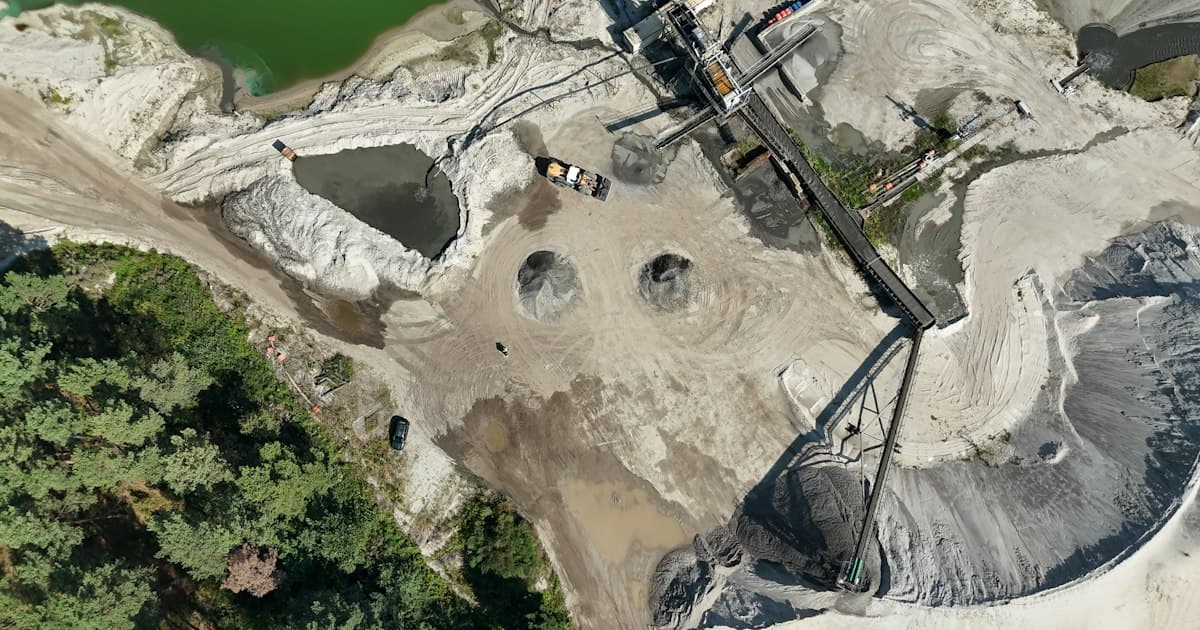
Thirty quarries. One training plan. Thirty different people delivering it.
If you are the corporate safety director at a regional aggregates producer, you can show, site by site, that every miner had their hours. You can pull the 5000-23s or equivalent records, the dates, the trainer signatures.
What you can't show is that they were all taught the same job. Whether the loader operator at site 22 knows what the one at site 1 knows about isolating the crusher before anyone reaches in. Whether either of them still held it in July.
One plan, thirty versions
Part 46 puts the plan in your hands. Cover the required elements and MSHA treats it as approved without your submitting it. You choose who delivers it. One required element is how you will evaluate whether the training worked, so the rule already asks how you know and leaves the answer to you. At many companies, that answer is a sign-off sheet. It tells you who attended.
Then the plan is delivered thirty times, at sites with different crushers, faces and habits. The trainer at site 22 learned the job at another company and teaches it that way. Each version is reasonable. They are not the same, and no record shows the difference.
Run asphalt or ready-mix plants too, and there is a second rulebook. Under the 1979 agreement between MSHA and OSHA, OSHA's authority starts once the aggregate reaches the plant stockpile. One safety team, two regulators, two sets of records that each say only that the training was done.
The drift nobody sees
Turnover is the visible part. At Pit & Quarry's 2025 workforce roundtable, Thomas Haun of Turner Staffing Group put the average tenure of workers aged 25 to 34 at about 2.7 years with their current employer, which Haun said works out to more than a third of them leaving each year. Every spring, a good part of your crew is learning your procedures for the first time.
The invisible part is quieter. A site changes how it clears a jam because a new operator found a faster way. A step drops out because the person who insisted on it moved to another plant. Someone who learned the isolation in April may hold half of it by October. None of it reaches head office, and nobody there has time to compare thirty sites side by side.
Closing the distance
Another round of training won't fix this. Your sites probably deliver what the plan asks. What fixes it is seeing, per person and per site, what people actually understand about the tasks every site shares, measured against the company version of the procedure, and catching the site that starts to drift.
That record shows a named person at a named site understood a named step, that it was measured again over time, and that where site 22 differed from site 1, someone fixed it before the spring crew learned the wrong version.
Much of next year's training gets planned over the winter, with the crushers down for rebuilds. The records will say every site trained its people, and they will be right. Whether thirty sites taught one job or thirty versions of it is the question to settle before April.
This piece discusses mine safety training in general terms and is not legal or compliance advice. Specific obligations depend on your operation, the rules it falls under, and your role.