
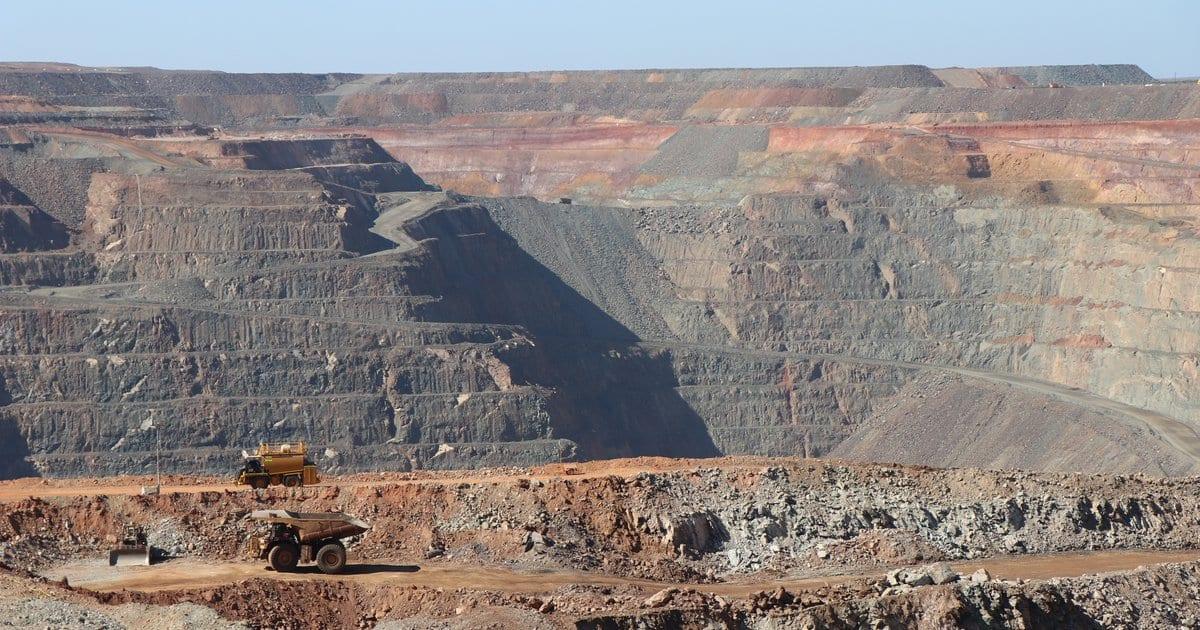
Mining compliance used to mean a site safety program, an environmental permit and an annual sustainability report. In 2026 it's more than that. Tailings standards now come with independent audits. Customers' due diligence laws reach upstream to the mine. Producer governments are tightening control over exports. Critical minerals have become a national-security issue, with rules to match.
This guide covers the global mining regulations and standards that changed or matured in 2025–26, as of mid-November 2026. It explains what each change means for the people who have to carry it out. Several items are still moving, and we flag where the outcome is uncertain. This is general information, not legal advice. Check current texts before you rely on any date.
Executive summary
- Tailings assurance has moved from commitment to audit. At the August 2025 GISTM deadline, 67% of ICMM members' 836 tailings facilities were in full conformance and 33% in partial conformance [1]. The Global Tailings Management Institute is setting up independent audits and certification against all 77 GISTM requirements [3].
- Voluntary standards are merging. ICMM, the Mining Association of Canada, the World Gold Council and the Copper Mark (now Veramark Assurance) are folding four standards into one. The Veramark Global Mining Standard is expected in early 2027 [7][8].
- EU rules got narrower but did not go away. Omnibus I raised the CSRD and CSDDD thresholds and pushed CSDDD compliance to July 2029 [13][14]. Battery due diligence now starts on 18 August 2027 [15]. The Conflict Minerals Regulation is unchanged.
- The US is speeding up permitting while health rules stay in limbo. An executive order prioritizes mineral permitting [19], and MSHA's 2024 silica rule remains stayed while a new proposal is out for comment [17][18].
- Producer countries are asserting control. The DRC runs cobalt export quotas through 2027 [32]. Chile keeps a state-led lithium model under a new government [34]. Peru's informal-mining registry expires on 31 December 2026 unless Congress acts [36][37].
- Enforcement risk is shifting toward individuals and prevention duties. These include the UK's failure-to-prevent-fraud offence (from 1 September 2025) [39], the DOJ's FCPA priorities, which name critical minerals [22], and Australia's industrial manslaughter laws [26][27].
- Training is where many of these obligations become real. Standards and laws increasingly expect proof that the right people were trained, in a form they understood, and that records exist.
1. Tailings: life after the GISTM deadline
The Global Industry Standard on Tailings Management (GISTM) has 15 principles and 77 auditable requirements. It assigns named accountabilities: an Accountable Executive, an Engineer of Record and a Responsible Tailings Facility Engineer [2]. ICMM members committed to conform by August 2023 for facilities classed as "extreme" or "very high" consequence, and by August 2025 for all others [2].
The 2025 deadline was not met in full. ICMM's aggregate report shows 558 of 836 member facilities (67%) in full conformance and 278 (33%) in partial conformance. Over 80% of extreme and very high consequence facilities were fully conformant, compared with 53–65% in the lower classes. ICMM says full conformance "is taking more time than initially anticipated" [1].
Two things matter for 2026–27:
- Third-party validation cycles. Company disclosures describe ICMM's conformance protocols as requiring third-party validation "as soon as is reasonably practicable" and then every three years for very high and extreme facilities and every five years for the rest [4].
- Independent certification. The Global Tailings Management Institute (GTMI) will run an assurance framework in which accredited third-party auditors assess facilities against all 77 requirements. It will issue Certificates of Conformance and publish audit summaries [3].
Training implication: the GISTM is built around named, competent people. Expect auditors to test role-specific competence and emergency-preparedness training records, not just policy documents.
2. Voluntary standards converge: ICMM, TSM, IRMA and the Consolidated Mining Standard
ICMM Mining Principles. The performance expectations remain the baseline for ICMM members. Principle 1 starts with "establish systems to maintain compliance with applicable law" and anti-bribery controls [5]. Validation rates each expectation as "meets", "partially meets" or "does not meet". "Does not meet" includes practices that "cannot be evidenced" [6]. ICMM has also said no new commitments will be introduced while the focus shifts to the Consolidated Mining Standard [6].
Consolidated Mining Standard Initiative (CMSI). The CMSI combines the Copper Mark, MAC's Towards Sustainable Mining (TSM), the World Gold Council's Responsible Gold Mining Principles and ICMM's Mining Principles into one standard with 24 performance areas. Each area has three levels: Towards Good Practice, Good Practice and Leading Practice [7]. On 15 October 2026 the Copper Mark became Veramark Assurance, which will own the resulting Veramark Global Mining Standard. Veramark expects it to be available in early 2027 [8]. The timeline has already slipped once: in 2025 the partners expected a launch in the first half of 2026 [8]. The World Gold Council says its members will transition to the consolidated standard over time [9].
IRMA. The Initiative for Responsible Mining Assurance is preparing to publish version 2.0 of its standard. Version 2.0 proposes extending coverage to exploration and development. IRMA audits run on a three-year cycle with a surveillance audit in between [10]. Until 2.0 is published, sites are audited against the current version.
What to do: map your current commitments (TSM, ICMM, Copper Mark, IRMA, RGMPs) to the 24 CMSI performance areas now, so training and evidence don't have to be rebuilt in 2027.
3. Europe: narrower scope, longer runways, same direction
Critical Raw Materials Act (CRMA). On 9 October 2026 the Commission selected 46 new Strategic Projects in 16 Member States, on top of the 47 EU projects and 13 non-EU projects selected in 2025. The Commission reports that 17 first-round projects have obtained construction permits, and that RESourceEU support has mobilised more than €2 billion [11]. Strategic Projects get faster permitting but must be "implemented sustainably" [11]. For operators, that means environmental, social and governance performance is part of the bargain.
Conflict Minerals Regulation (2017/821). EU importers of tin, tantalum, tungsten and gold have had to apply supply-chain due diligence since 1 January 2021. In October 2025 the Commission recognised the Responsible Minerals Assurance Process (RMAP) as an equivalent due diligence scheme [12]. The regulation itself has not been changed by the Omnibus packages.

Photo: suradeach saetang / Unsplash
CSRD and CSDDD after Omnibus I. The Council gave final approval on 24 February 2026 [13]. The directive was published as Directive (EU) 2026/470 and entered into force on 18 March 2026 [14]. CSRD now applies to EU companies with more than 1,000 employees and over €450 million net turnover. CSDDD applies to companies with more than 5,000 employees and over €1.5 billion turnover, with compliance from July 2029. The climate transition plan obligation is deleted, and penalties are capped at 3% of worldwide turnover [13]. Fewer miners are directly in scope, but large EU buyers still have to identify adverse impacts in their chains of activities, which reach back to mine sites [13].
Batteries Regulation. Due diligence for cobalt, natural graphite, lithium and nickel was postponed by two years to 18 August 2027. The Commission's guidelines deadline moved to 26 July 2026 [15]. Further changes are close but not yet law. On 9 June 2026, Parliament and Council negotiators provisionally agreed the Omnibus IV regulation for small mid-cap companies. Among other changes to several EU laws, it raises the turnover threshold for the battery due diligence exemption to €200 million (the Commission had proposed €150 million) and reduces how often public due diligence reports must be published [49]. Council ambassadors endorsed the deal on 26 June and Parliament's lead committee approved it on 2 July [16][50]. As of publication, Parliament's first-reading vote is scheduled for its 23–26 November 2026 plenary in Strasbourg. The procedure file gives 23 November as the indicative date, and the draft agenda lists the vote for Tuesday 24 November [50][51]. After that, the Council must formally adopt the text. The regulation takes effect 20 days after publication in the Official Journal [49]. Plan for the 18 August 2027 start date, and confirm whether your company falls under the new threshold once the final text is published.
4. United States: faster permits, unsettled health rules
Permitting and critical minerals. Executive Order 14241 (20 March 2025) directs agencies to identify priority mineral production projects and expedite permits. It also has projects added as "transparency projects" to the FAST-41 Permitting Dashboard [19]. The USGS's final 2025 List of Critical Minerals has 60 minerals and adds copper, silver, metallurgical coal, potash, uranium and others [20]. Faster permitting does not relax operating standards, though. It compresses the time available to train new crews.
MSHA silica. MSHA's April 2024 rule lowered the respirable crystalline silica limit to 50 µg/m³. The Eighth Circuit stayed its compliance deadlines on 11 April 2025, and MSHA continues to enforce the pre-2024 standards [17]. On 12 November 2026 MSHA published a new proposed rule. It keeps the 50 µg/m³ limit and 25 µg/m³ action level but changes monitoring, medical surveillance, recordkeeping and respiratory protection [17][18]. Comments are due by 11 January 2027, and a virtual hearing starts on 15 December 2026 [17]. The final requirements are uncertain. Plan for the 50 µg/m³ limit, but don't build final procedures around either text yet.
SEC climate rule. The SEC stayed its 2024 climate disclosure rules, stopped defending them in March 2025, and on 29 May 2026 proposed rescinding them entirely. The Eighth Circuit case is in abeyance [21]. As of this writing, no final rescission has been adopted.
FCPA. The DOJ's June 2025 FCPA guidelines focus enforcement on cartel-linked bribery, harm to US competitors and national security. They cite strategic advantages "in critical minerals, deep-water ports, or other key infrastructure" [22]. For miners competing for concessions, anti-bribery training remains a frontline control.
5. Canada, Australia and South Africa
Canada. The Fighting Against Forced Labour and Child Labour in Supply Chains Act has applied since 1 January 2024. It requires in-scope entities that produce, import or control goods to report by 31 May each year on steps taken to prevent forced and child labour, including training [23][24]. The 2026 reports were the third cycle.
Australia.
- Modern slavery: On 21 August 2026 the government opened consultation on a criminal "failure to prevent" modern slavery offence for companies with consolidated revenue above A$100 million, with a reasonable-steps defence. Consultation closed on 25 September 2026, and no bill has been introduced yet [25].
- Industrial manslaughter: The Commonwealth WHS Act now includes industrial manslaughter (s 30A) [26]. Western Australia's WHS Act, which covers mines, makes industrial manslaughter available against PCBUs and their officers [27].
- Psychosocial hazards: Under the model WHS laws, PCBUs must eliminate or minimise psychosocial risks [28]. NSW's WHS Regulation 2025, which applies to mines, commenced on 1 October 2025 [29].
South Africa.
- Mineral Resources Development Bill, 2025: The bill has not yet gone to Cabinet. It is still at NEDLAC, and the government's planned introduction date is 30 March 2027 [30].
- Mining Charter: The 2018 Mining Charter remains policy rather than binding law after the 2021 High Court ruling, though obligations written into a mining right are enforceable [31].
- Mine safety: The Mine Health and Safety Amendment Bill (B10-2026), introduced on 7 April 2026, proposes stronger executive accountability, changes to training duties and higher penalties [31]. Treat it as a proposal until it is enacted.
6. Producer countries and resource nationalism
EY's survey of mining leaders for 2026 found respondents expect governments to assert greater control over mining. It also describes governments escalating tariffs and export restrictions to control mining, processing and refining [38].
- DRC. The DRC announced that it would replace its cobalt export ban with quotas from 16 October 2025. The 2026 quota is 96,600 t: 87,000 t allocated pro rata to producers and 9,600 t held by the regulator, ARECOMS. The quota framework runs through 2027 [32]. In June 2026 ARECOMS said unused first-half quotas would be forfeited and warned it could withdraw quotas from companies that transfer them or process unauthorised artisanal material [33]. Traceability and artisanal-sourcing controls are now part of keeping a licence to export.
- Chile. President José Antonio Kast took office on 11 March 2026. Lithium is still reserved to the state, and private access still runs through special operating contracts (CEOLs) with Indigenous consultation built in [34]. A new framework law on sectoral permits, Law 21,770, is moving permit applications onto a single digital platform. Public bodies in Group A must complete that move by 31 December 2026 [34][35].
- Peru. Law 32537 extended the REINFO formalisation process for small-scale and artisanal miners to 31 December 2026, or until a new small-scale mining (MAPE) law takes effect. It also required registrants to declare their true operating locations [36]. As of 14 November 2026, miners' groups were demanding a four-year extension, and the government had proposed eliminating REINFO under a new MAPE law [37]. Whether the registry is extended again is unresolved. That matters for anyone buying or processing ore from small-scale suppliers.
7. Anti-bribery and fraud: prevention is the defence
- UK Bribery Act. Section 7 makes a company liable for failing to prevent bribery by associated persons, with a defence of "adequate procedures" [40].
- Failure to prevent fraud. Since 1 September 2025, large organisations face the same structure for fraud under the Economic Crime and Corporate Transparency Act 2023. A large organisation meets two of three tests: more than 250 employees, more than £36 million turnover or more than £18 million in assets. Home Office guidance lists "communication (including training)" as one of six principles of reasonable procedures [39].
- Individuals. The SFO has charged six former Glencore employees over alleged corrupt payments linked to oil contracts in West Africa, with trial listed for 4 October 2027 [41]. The defendants deny the charges. The case shows prosecutors pursuing individuals as well as companies.
8. Sanctions and export controls on critical minerals

Photo: Laura Ockel / Unsplash
Export controls now reach the mine itself:
- China. Controls from April 2025 on seven medium and heavy rare earths remain in force. A separate suspension of October 2025 controls, covering five more rare earths, battery materials and graphite, was extended to 10 January 2027 [42]. China's US-specific policy is on a separate clock. Since December 2024, licences for gallium, germanium, antimony and superhard materials bound for the United States are in principle not granted. MOFCOM Announcement 2025 No. 72 suspended that rule only until 27 November 2026 [43]. As of publication, MOFCOM has not announced an extension. The 9 November 2026 notice that extended the rare-earth suspension does not mention it [42][43]. US and Chinese leaders are expected to meet at the APEC summit in Shenzhen on 18–19 November, and the rule could be extended, changed or allowed to lapse around then [43]. If it lapses, US-bound licences for these minerals return to a presumption of refusal on 28 November. Either way, licences are still needed for these items to any destination, and exports to US military end users remain banned [43].
- United States (defence procurement). From 1 January 2027, the DFARS clause restricting certain magnets, tantalum and tungsten covers the whole supply chain. That includes material mined, refined or separated in covered countries (China, Russia, North Korea and Iran) [44].
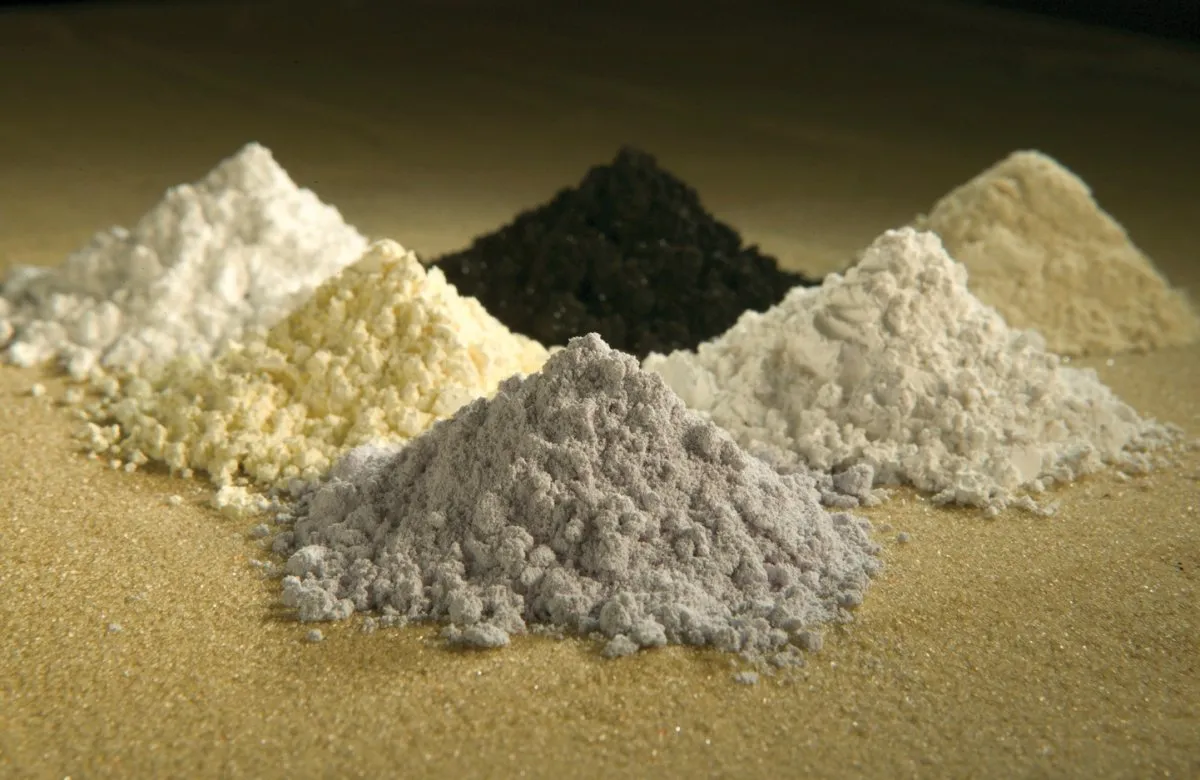
Photo: Peggy Greb, USDA Agricultural Research Service / Wikimedia Commons
For producers selling into defence or Western battery chains, provenance records become commercial documents. Commercial, logistics and trade-compliance staff need training on origin evidence, screening and licensing.
9. Human rights, ESG and Indigenous rights
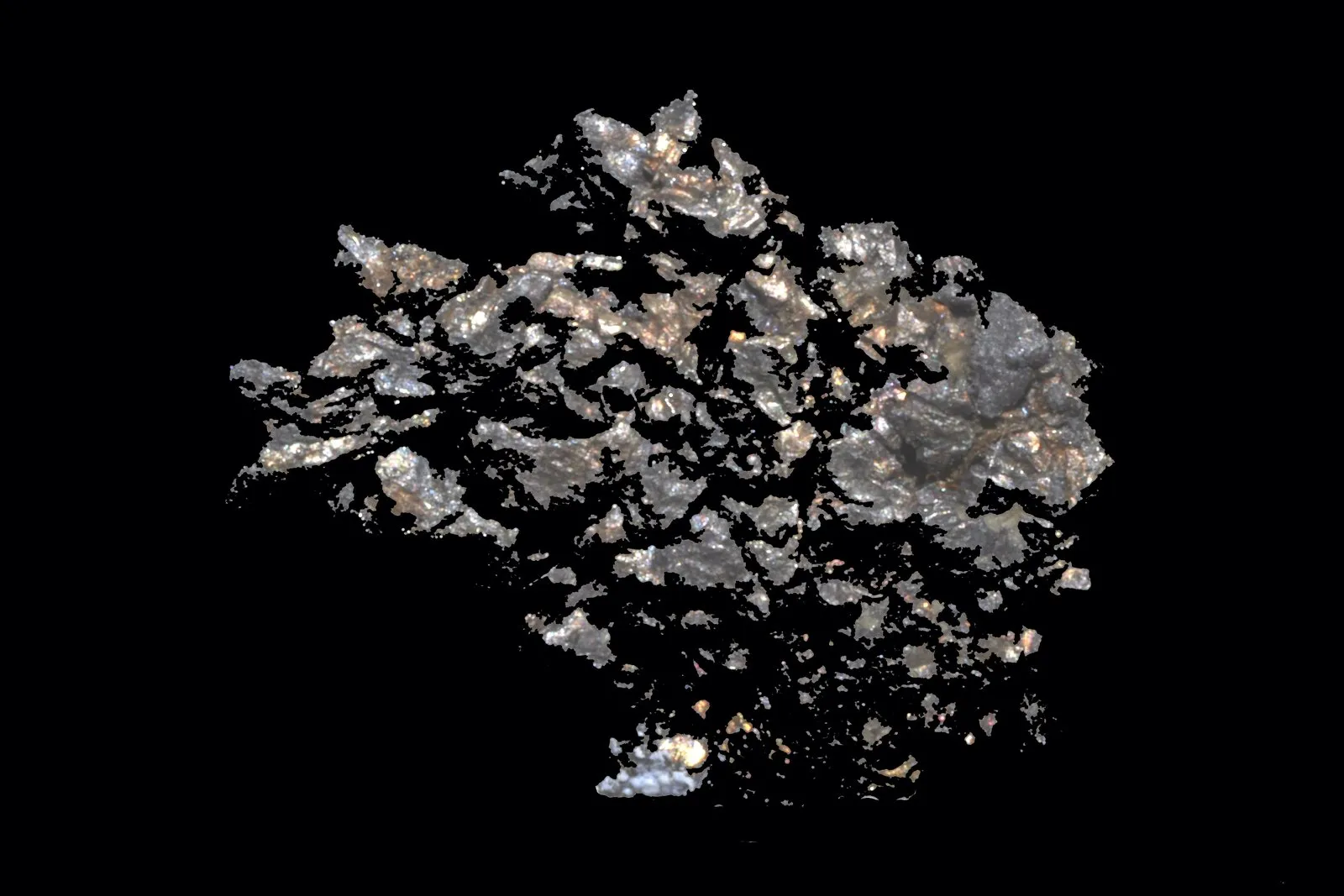
Photo: Parent Géry / Wikimedia Commons
- ICMM Indigenous Peoples position statement (2024). Members commit to obtain agreement for impacts on Indigenous Peoples' rights through human-rights due diligence and early engagement, and the statement sets out a process for when agreement is not obtained [45].
- IFC Performance Standard 7. Lenders apply it to projects affecting Indigenous Peoples, including free, prior and informed consent in specified circumstances [46].
- OECD Due Diligence Guidance. It remains the reference framework behind the EU Conflict Minerals Regulation and most minerals due diligence schemes [47].
For training, this reaches beyond the community-relations team. Supervisors, security contractors and land-access staff are often the people whose conduct decides whether engagement commitments hold.
10. What this means for mining compliance training
Who needs what.
| Audience | Priority training topics |
|---|---|
| Frontline crews and contractors | Site hazards, task training, silica and dust controls, emergency response, fatigue and psychosocial risk, speak-up channels |
| Safety-critical tailings roles | GISTM accountabilities, surveillance and trigger-action response plans (TARPs), emergency preparedness |
| Supervisors and managers | Due diligence duties, incident escalation, harassment prevention, contractor oversight |
| Executives and boards | Officer duties (WHS, industrial manslaughter), failure-to-prevent offences, tailings governance |
| Procurement, commercial, logistics | Supplier due diligence, origin and traceability evidence, sanctions and export controls, anti-bribery |
| Community, land-access and security staff | Human rights, FPIC commitments, grievance handling, security and human rights |
Contractors are in scope. In the US, MSHA's surface-mine training rules (Part 46) cover independent contractors' miners. Contractors are primarily responsible for their own employees' training, while production operators remain responsible for site-specific hazard awareness training [48].
Language is a compliance requirement. Part 46 requires training to be "presented in language understood by the miners who are receiving the training" [48]. Multilingual crews, fly-in fly-out rosters and short-tenure contractors need content they can follow, with comprehension checks.
Records are the proof. MSHA requires at least 24 hours of new miner training and 8 hours of annual refresher training at surface mines. Certificates must be kept for each currently employed miner, with refresher records kept for two years [48]. ICMM validation, GISTM audits, Canada's supply-chain reports and UK "reasonable procedures" defences all depend on showing what was done.
What compliance and training leaders should do in the next 12 months
- Build a regulatory calendar. Key dates: China's US-specific gallium, germanium and antimony suspension (expires 27 November 2026 unless extended), European Parliament vote on the battery due diligence threshold (scheduled 23–26 November 2026 plenary), Peru REINFO expiry (31 December 2026), China's broader suspension (10 January 2027), MSHA silica comments (11 January 2027), DFARS full supply-chain magnet rules (1 January 2027), Veramark Global Mining Standard (expected early 2027), South Africa's MRD Bill (planned 30 March 2027), Canada reports (31 May 2027), EU battery due diligence (18 August 2027).
- Map roles to obligations. Link each requirement (GISTM role, MSHA task, due diligence step) to the roles that carry it out, including contractor roles.
- Close the evidence gap. For every mandatory course, keep a per-person, dated record showing the version taught, the language used and the result of any assessment.
- Refresh content when rules move. Set a review trigger for each tracked item above so training changes when the law does, not at the next annual cycle.
- Train decision-makers on prevention offences. Boards and executives should understand industrial manslaughter, failure-to-prevent fraud and bribery, and DOJ FCPA priorities.
- Prepare for one standard. Gap-assess current programmes against the CMSI performance areas before the 2027 transition starts.
- Strengthen upstream due diligence training for procurement and commercial teams handling cobalt, lithium, nickel, graphite, 3TG and rare earths.
How NexeraOS fits
NexeraOS is an AI-powered compliance training partner. We work alongside compliance, HR and L&D teams to turn changes like these into role-based training plans, deliver them to multilingual and contractor workforces, and keep audit-ready records. Your team keeps review and approval. If you're building a mining compliance training programme for 2027, see our mining and metals page or our approach to AI-powered compliance training.
FAQ
What are the biggest mining regulatory changes in 2026? Tailings assurance after the GISTM deadline, the move toward a single consolidated mining standard, narrower but continuing EU due diligence rules, producer-country export controls (notably DRC cobalt quotas), and tighter critical-mineral export and sourcing rules. MSHA silica and South Africa's mining law reform remain unresolved.
Did the August 2025 GISTM deadline mean all tailings facilities now conform? No. 67% of ICMM members' 836 facilities were fully conformant at the deadline and 33% partially conformant [1].
Is MSHA's 2024 silica rule in force for metal and nonmetal mines? Not as of November 2026. Compliance is stayed by the Eighth Circuit, MSHA enforces the older standards, and a new proposal is open for comment until 11 January 2027 [17].
When do EU battery due diligence obligations apply? From 18 August 2027, under Regulation (EU) 2025/1561 [15]. As of publication, the Omnibus IV change to the exemption threshold is still pending a European Parliament vote, scheduled for its 23–26 November 2026 plenary, and then formal Council adoption [49][50][51].
Who needs mining compliance training? Everyone from contractors and frontline crews to boards, plus procurement, commercial, community and security staff. Each group needs content matched to the obligations it carries out.
What evidence do auditors expect? Dated, per-person records tied to specific requirements, in the language delivered, with evidence that content was updated when rules changed. Under ICMM validation, what "cannot be evidenced" does not meet the expectation [6].
Sources
- ICMM, Tailings Progress Report (2025): https://www.icmm.com/en-gb/research/tailings-management/2025/tailings-progress-report
- ICMM, Global Industry Standard on Tailings Management: https://www.icmm.com/our-principles/gistm
- Global Tailings Management Institute, FAQ (Sept 2026): https://thegtmi.org/wp-content/uploads/2026/09/GTMI-FAQ-2026_Updated-01.09.docx.pdf
- BHP, FY26 GISTM Tailings Public Disclosure (Aug 2026): https://www.bhp.com/-/media/documents/media/reports-and-presentations/2026/260818_bhpgistm2026.pdf
- ICMM, Mining Principles: Performance Expectations: https://www.icmm.com/mining-principles
- ICMM, Validation Guidance (Feb 2025): https://www.icmm.com/our-principles/validation-guidance
- Consolidated Mining Standard Initiative: https://miningstandardinitiative.org/
- Veramark Assurance, FAQs: https://veramark.org/resources/faqs/ and ICMM, CMSI final public consultation (2025): https://www.icmm.com/en-gb/news/2025/cmsi-announce-final-public-consultation
- World Gold Council, Veramark Assurance and the Consolidated Mining Standard: https://www.gold.org/industry-standards/veramark-assurance-and-the-consolidated-mining-standard
- IRMA, Two standards, one goal (1 Oct 2026): https://responsiblemining.net/2026/10/01/two-standards-one-goal-how-irma-and-eiti-strengthen-resource-governance/
- European Commission, Commission selects 46 new Strategic Projects (9 Oct 2026): https://ec.europa.eu/commission/presscorner/api/files/document/print/en/ip_26_2113/IP_26_2113_EN.pdf and Strategic projects under the CRMA: https://single-market-economy.ec.europa.eu/sectors/raw-materials/areas-specific-interest/critical-raw-materials/strategic-projects-under-crma_en
- European Commission, Conflict Minerals Regulation: https://policy.trade.ec.europa.eu/development-and-sustainability/conflict-minerals-regulation_en
- Council of the EU, Council signs off simplification of sustainability reporting and due diligence requirements (24 Feb 2026): https://www.consilium.europa.eu/en/press/press-releases/2026/02/24/council-signs-off-simplification-of-sustainability-reporting-and-due-diligence-requirements-to-boost-eu-competitiveness/
- Linklaters, EU Omnibus I Directive published in the Official Journal (26 Feb 2026): https://sustainablefutures.linklaters.com/post/102mkjf/eu-omnibus-i-directive-published-in-the-official-journal-of-the-eu
- Regulation (EU) 2025/1561 (EUR-Lex): https://eur-lex.europa.eu/eli/reg/2025/1561/oj/eng
- European Parliament, Legislative Train: Omnibus IV – simplifying measures for SMEs and small mid-caps: https://www.europarl.europa.eu/legislative-train/package-simplification-business/file-omnibus-iv-simplifying-measures-for-sme-and-small-mid-caps-(regulation)
- MSHA, Silica Updates: https://www.msha.gov/regulations/rulemaking/silicaupdates
- US Department of Labor/MSHA, Updated proposed rule on silica (10 Nov 2026): https://www.msha.gov/news-media/news-releases/2026/11/10/us-department-labor-unveils-updated-proposed-rule-designed-protect-miners-health-silica-dust
- Executive Order 14241, Immediate Measures to Increase American Mineral Production (Federal Register): https://www.federalregister.gov/documents/2025/03/25/2025-05212/immediate-measures-to-increase-american-mineral-production
- USGS, Final 2025 List of Critical Minerals: https://www.usgs.gov/news/science-snippet/interior-department-releases-final-2025-list-critical-minerals
- SEC, Fact Sheet: Rescission of Climate-Related Disclosure Rules (May 2026): https://www.sec.gov/files/33-11421-fact-sheet.pdf
- US DOJ, Guidelines for Investigations and Enforcement of the FCPA (9 June 2025): https://www.justice.gov/dag/media/1403031/dl
- Public Safety Canada, Reporting obligations: https://www.publicsafety.gc.ca/cnt/cntrng-crm/frcd-lbr-cndn-spply-chns/rprtng-blgtns-en.aspx
- Fighting Against Forced Labour and Child Labour in Supply Chains Act: https://laws.justice.gc.ca/eng/acts/F-10.6/FullText.html
- Attorney-General of Australia, Consultation to strengthen Australia's modern slavery framework (21 Aug 2026): https://ministers.ag.gov.au/media-centre/consultation-strengthen-australias-modern-slavery-framework-21-08-2026
- Work Health and Safety Act 2011 (Cth): https://www.legislation.gov.au/C2011A00137/latest/text
- WorkSafe WA, Work health and safety laws: https://www.worksafe.wa.gov.au/work-health-and-safety-laws
- Safe Work Australia, Psychosocial hazards: https://www.safeworkaustralia.gov.au/safety-topic/managing-health-and-safety/mental-health/psychosocial-hazards
- NSW Resources Regulator, WHS legislation: https://www.resources.nsw.gov.au/resources-regulator/our-role/legislation/whs-legislation
- Parliamentary Monitoring Group, Question NW5084 to the Minister of Mineral and Petroleum Resources (23 Oct 2026): https://pmg.org.za/committee-question/41516/
- Van der Want Attorneys, Developments in South African mining law: October 2026: https://www.vanderwantattorneys.com/post/developments-in-south-african-mining-law-october-2026
- Benchmark Mineral Intelligence, DRC to lift cobalt export ban and impose quotas through 2027: https://source.benchmarkminerals.com/article/drc-to-lift-cobalt-export-ban-and-impose-quotas-through-2027
- Reuters via MINING.COM, Congo withdraws unused cobalt export quotas (29 June 2026): https://www.mining.com/web/congo-withdraws-unused-cobalt-export-quotas/
- Gibson Dunn, Chile's Lithium Regime Under President Kast (23 Mar 2026): https://www.gibsondunn.com/chiles-lithium-regime-under-president-kast-pro-investment-tone-but-the-state-centric-model-still-governs/
- Ministerio de Economía (Chile), Nuevo avance en la LMAS (13 Feb 2026): https://www.economia.gob.cl/2026/02/13/nuevo-avance-en-la-lmas-se-inicia-aplicacion-obligatoria-y-gradual-de-la-tramitacion-digital-de-permisos-a-traves-de-la-plataforma-super.htm
- MINEM (Peru), Ley N° 32537 amplía vigencia del proceso de formalización minera integral (27 Dec 2025): https://www.gob.pe/institucion/minem/noticias/1321455-poder-ejecutivo-promulgo-la-ley-n-32537-que-amplia-vigencia-del-proceso-de-formalizacion-minera-integral-hasta-diciembre-del-2026
- La República, Confemin exige ampliar el Reinfo hasta 2030 (14 Nov 2026): https://larepublica.pe/economia/2026/11/13/confemin-exige-ampliar-formalizacion-minera-por-cuatro-anos-ante-vencimiento-del-reinfo-988507
- EY, Top 10 business risks and opportunities for mining and metals in 2026: https://www.ey.com/en_gl/insights/mining-metals/top-10-business-risks-and-opportunities-for-mining-and-metals-in-2026
- UK Home Office, Guidance on the offence of failure to prevent fraud: https://www.gov.uk/government/publications/offence-of-failure-to-prevent-fraud-introduced-by-eccta/economic-crime-and-corporate-transparency-act-2023-guidance-to-organisations-on-the-offence-of-failure-to-prevent-fraud-accessible-version
- Bribery Act 2010, section 7: https://www.legislation.gov.uk/ukpga/2010/23/section/7
- Serious Fraud Office, Glencore employees: https://www.gov.uk/sfo-cases/glencore-employees
- S&P Global, China extends rare earth export suspension to January 2027 (9 Nov 2026): https://www.spglobal.com/energy/en/news-research/latest-news/metals/110926-china-extends-rare-earth-export-suspension-to-january-2027
- MOFCOM Announcement 2025 No. 72: https://www.mofcom.gov.cn/zwgk/zcfb/art/2025/art_5c68985a6b1a46778e2e8dbff1bb1601.html and Fiftyone, China extends one export-control pause to January, but antimony's 27 November date still stands: https://www.fiftyonemagazine.com/p/china-extends-one-export-control-pause-to-january-but-antimony-s-27-november-date-still-stands
- DFARS 252.225-7052 (eCFR): https://www.ecfr.gov/current/title-48/chapter-2/subchapter-H/part-252/subpart-252.2/section-252.225-7052
- ICMM, Position Statement: Indigenous Peoples (2024): https://www.icmm.com/our-principles/indigenous-peoples
- IFC, Performance Standard 7: Indigenous Peoples: https://www.ifc.org/en/insights-reports/2012/ifc-performance-standard-7
- OECD, Due Diligence Guidance for Responsible Supply Chains of Minerals from Conflict-Affected and High-Risk Areas: https://www.oecd.org/en/publications/oecd-due-diligence-guidance-for-responsible-supply-chains-of-minerals-from-conflict-affected-and-high-risk-areas_9789264252479-en.html
- 30 CFR Part 46 (eCFR): https://www.ecfr.gov/current/title-30/chapter-I/subchapter-H/part-46
- European Parliament, Agreement on simplified rules for small "mid-cap" companies (press release, 9 June 2026): https://www.europarl.europa.eu/pdfs/news/expert/2026/6/press_release/20260608IPR44908/20260608IPR44908_en.pdf
- European Parliament Legislative Observatory, Procedure file 2025/0130(COD): https://oeil.europarl.europa.eu/oeil/en/procedure-file?reference=2025%2F0130%28COD%29
- OpenRCV, European Parliament agenda, 23 to 26 November 2026 (Strasbourg), mirroring Parliament's draft agenda: https://openrcv.eu/en/tagesordnung.html?w=2026%2F11-november-ii-strassburg
